
More than 40 authentic Italian pasta recipes, from Roman classics to Sunday dinner centerpieces. My father cooked these in his New York restaurant for thirty years.
-
Butternut Squash Ravioli with Brown Butter and Sage
Fall is the perfect time for butternut squash stuffed ravioli, it is the pumpkin spice latte of ravioli. I love any ravioli tossed in brown butter and sage, but butternut squash makes a sublime partner for it. You don’t have to make your own ravioli at home (I didn’t), store bought ones are completely acceptable,…
-
Beef | Pasta | Pork | Sunday Dinner
Sunday Sauce
Big nor’easter this weekend, so it seemed like a good time to make a nice Sunday Sauce. What is a Sunday Sauce, you may ask? A Sunday Sauce, also known in Italian as a ragù, is a slow-cooked, meat-based sauce made by Italian families. Typically made with whole cuts of meat that are then served…
-
Pasta Pomodoro
Our cousins Paul and Dee can tomatoes every year. They usually give me a few jars, and I use them mostly for my pizza sauce, which comes out great. This year Paul invited me to his aunt’s house in Mineaola, NY to participate in the canning. Oddly enough, even though it is a tradition among…
-
Pasta alla Norma
Pasta alla Norma is one of Sicily’s most celebrated dishes, a simple combination of pasta, tomato sauce, fried eggplant, and ricotta salata that has become a symbol of Sicilian cooking. The dish comes from Catania, on the eastern coast of Sicily. The name is said to be a tribute to Norma, the opera composed by…
-
Pasta al Forno with Sausage
Pasta al Forno simply means baked pasta, and unlike a lot of Italian dishes, there is no single definitive recipe for it. Every region has its own version, every family has their own take, and almost any combination of pasta, sauce, and cheese can find its way into a baking dish. Some versions are elaborate:…
-
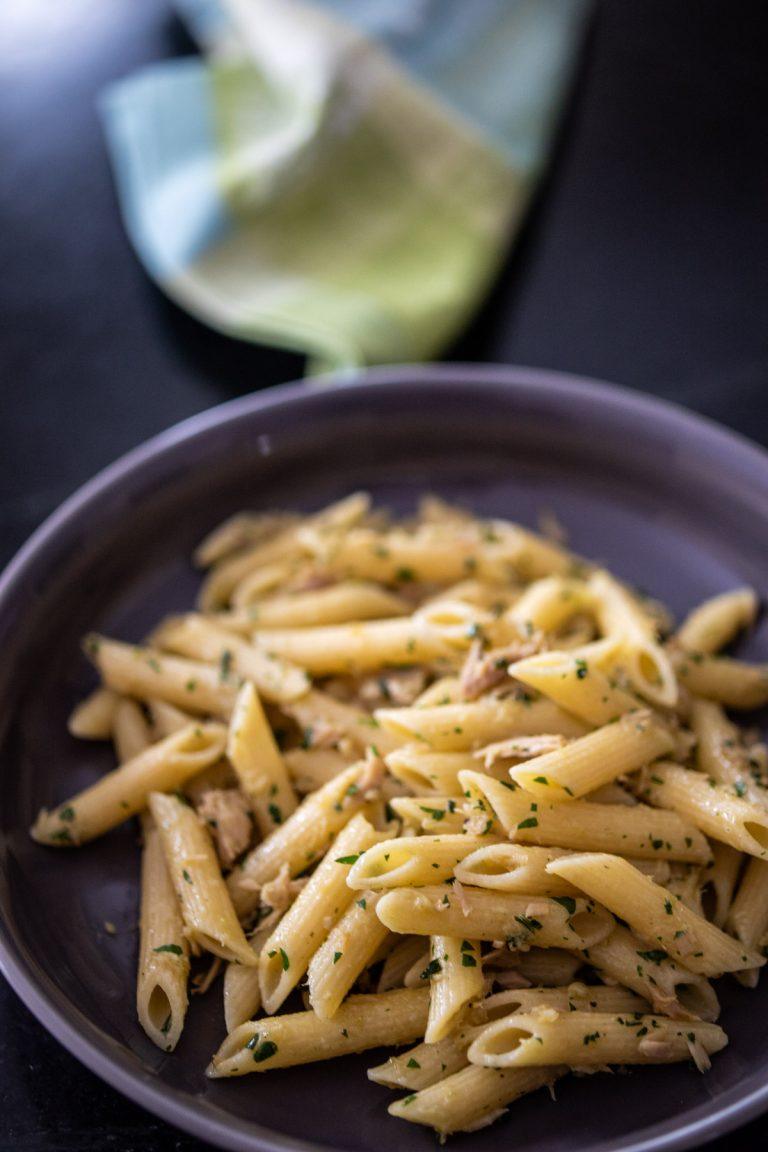
Pasta al Tonno (Pasta with Tuna)
Pasta al Tonno is the ultimate Italian pantry meal. A can of tuna, some garlic, olive oil, parsley, and a box of penne – that’s all you need. This is the kind of pasta you make on a busy weeknight when you haven’t had time to shop but still want something that tastes like a…
-
Christmas Eve | Pasta | Popular | Seafood
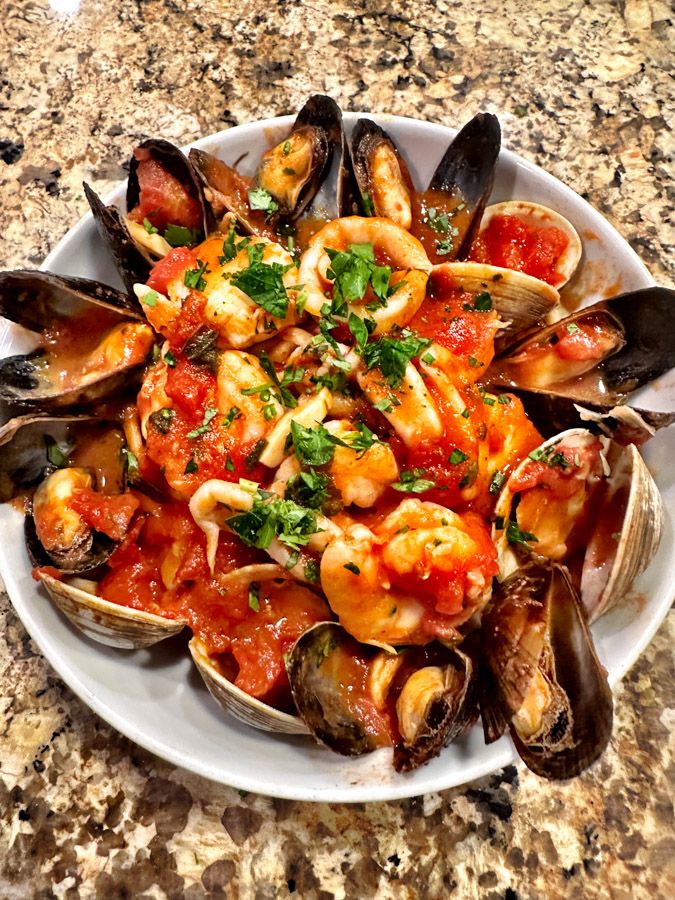
Linguine Frutti Di Mare (Seafood Linguine)
If you are looking for a show stopping main course for your Christmas Eve Feast of the Seven Fishes Dinner, or any special occasion, look no further. This selection of fresh seafood in a delicious, light tomato sauce served over linguine will please any seafood lover. This classic Italian seafood pasta brings together the best…
-
Ricotta Gnocchi
These melt-in-your-mouth ricotta gnocchi were a staple at my father’s restaurant, and I never really saw them on the menus of other Italian places back in those days. Potato gnocchi seemed to be much more prevalent—probably because they’re a bit easier to work with and hold up well to heavier sauces. But these ricotta gnocchi…
-
Penne Con Fagiolini
You don’t need a fancy culinary school degree to sauté green beans in olive oil and garlic and toss them with penne, but that doesn’t mean it still isn’t a great idea. Fagiolini are green beens, also known as string beans. Green beans sautéed in olive oil with garlic are delicious on their own. Toss…
-
Homemade Fresh Pasta
Making fresh pasta at home might seem like a daunting task, and while it is time consuming and with definite effort involved, it is not all that difficult and you will be handsomely rewarded for the extra work. Fresh pasta is not a replacement for the dried, factory produced pasta you find on the supermarket…
-
Bacon | Lasagna | Pasta | Recipes | Sunday Dinner
Spinach Lasagna
Although this vegetarian spinach lasagna varies slightly from the traditional version of this classic Italian dish, it is equally delicious and filling. A flavorful homemade tomato sauce enrobes three layers of pasta filled with a creamy, cheesy spinach mixture and topped with golden baked mozzarella for an irresistibly mouth-watering meal. Although authentic lasagna is made…
-
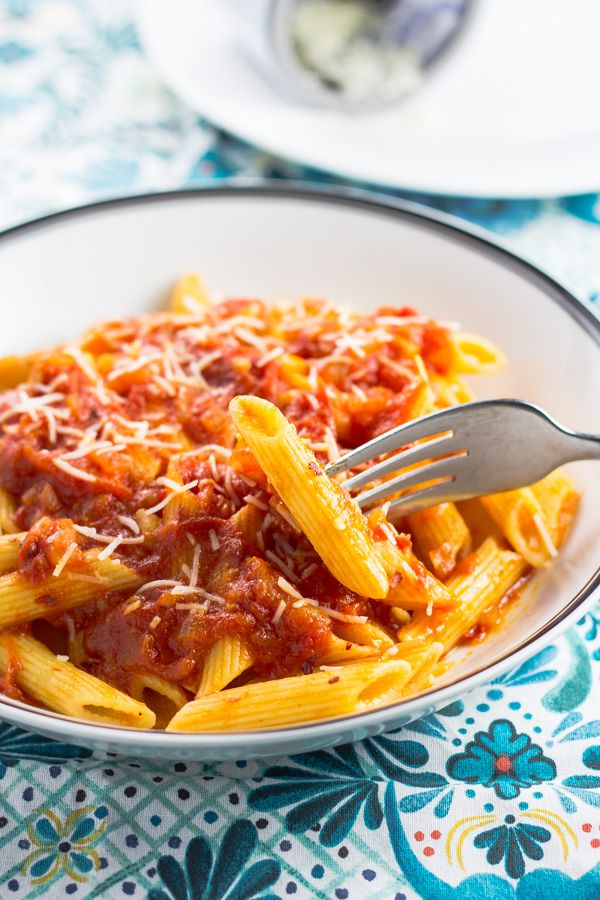
Penne Arrabiata
Penne Arrabiata translates to Angry Penne, which is an apt name for this spicy pasta dish. My father didn’t typically put too much spice into his cooking, but this was one exception. If people wanted the pasta angry they got it angry! If you look at and try different people’s versions of Penne Arrabiata, you…
-
Pasta Puttanesca
Pasta Puttanesca is loosely translated to “street walker’s pasta.” There are a lot of stories about how this name came about. The most popular is that the ladies of the evening in Naples used to make Pasta alla Puttanesca and put it out on the windowsill so that the aroma of the sauce would attract…
-
Cacio e Pepe
I really love Roman cuisine, especially the pasta dishes. I have featured classics like Carbonara, Buccatini all’Amatriciana and Spaghetti alla Gricia here in the past. Cacio e Pepe is another one to add to our repertoire of crowd pleasing Roman pasta dishes. Cacio e Pepe literally means cheese and pepper, which are the two main ingredients,…
-
Pasta | Recipes | Sausage | Weeknight Italian
Orecchiette with Sausage and Broccoli Rabe
Sausage and broccoli rabe is a great combination—one of those classic pairings that just makes sense once you taste it. Even if you’re not a big broccoli rabe eater (and I know the bitterness can be polarizing), you need to try them together. The contrast between the slight bitterness of the broccoli rabe and the…
-
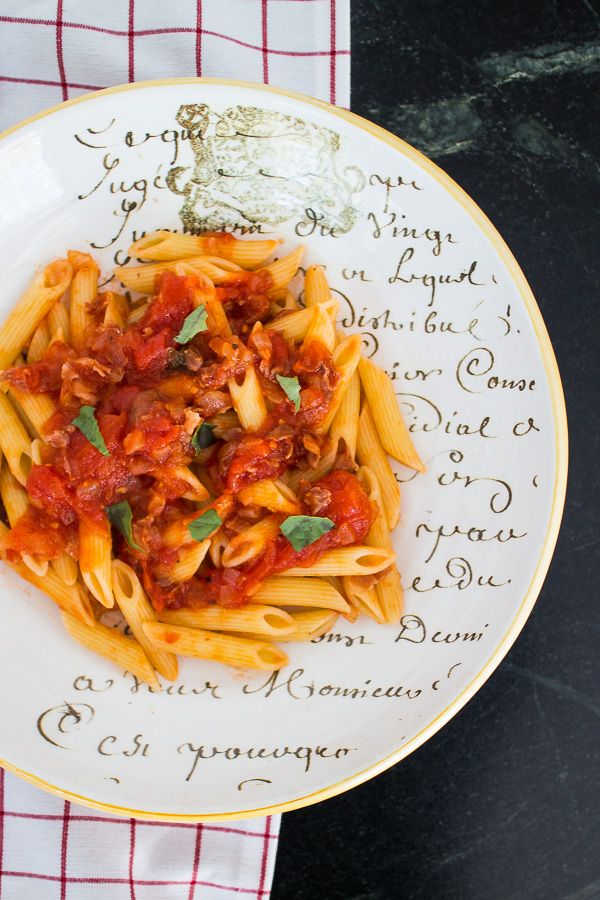
Penne Filetto di Pomodoro
Filetto di Pomodoro, with prosciutto and onion, is a rustic and hearty tomato sauce that goes great over penne or your favorite pasta shape. Filetto di Pomodoro is the first of my Dad’s recipes from the restaurant that I learned to cook well. I worked as a waiter at the restaurant and didn’t have my…
-
Aglio e Olio (Pasta with Oil and Garlic)
Garlic, olive oil, red pepper, parsley. The pasta Italians make at midnight when the kitchen is empty. Aglio e Olio Mondays used to be a thing in our house, but we drifted away from that, replacing it with takeout way too often. Well, it’s time to get back to basics. Sometimes I run the two busy…
-
Pasta | Popular | Recipes | Weeknight Italian
Trenette al Pesto
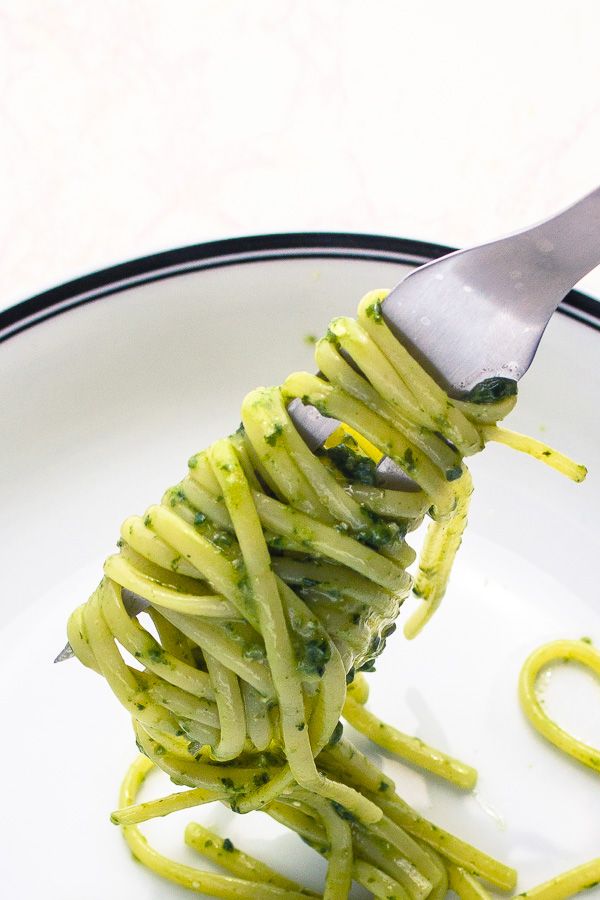
In modern times the term Pesto has become a generic name for just about any combination of herbs blended with garlic, olive oil, nuts and cheese. However, the original Pesto is from Genoa in the Liguria region of Italy and is basil based and contains pignoli (pine nuts). Some people are turned off by the…
-
Garganelli with Fresh Ricotta and Grape Tomatoes
A few weeks back I was talking to my Mom about quick and easy pasta dishes. She mentioned that my grandfather used to make pasta and toss it with fresh ricotta cheese, a little grated pecorino and salt & pepper. I thought that was a great idea and planned on trying it out, eventually. I…
-
Tortellini alla Panna (Tortellini in Cream Sauce)
When I went to the pasta shop this weekend to buy tortellini, I noticed that they had two types – meat and cheese. This seemed odd to me because I had always know those little rings of pasta as being stuffed with meat. Back when I was working at my Father’s restaurant, some nights he…
-
Bolognese Sauce (Ragu alla Bolognese)
Just about every region of Italy has its own version of a Ragu, a slow cooked meat sauce, but perhaps the most famous is from the city of Bologna in Emilia-Romagna, Ragu alla Bolognese. Where in other areas, especially in Southern Italy, the Ragu typically starts with large cuts of meat which are cooked slowly…
-
Spaghetti alla Gricia
The key ingredient in Spaghetti alla Gricia is guanciale, cured pork jowl. Guanciale is also traditionally used in the classic Roman Pasta dishes, Bucatini all’Amatriciana and Spaghetti alla Carbonara. Since guanciale is not easy to find outside of Rome and the Lazio region in Italy, and until recently impossible here in the U.S., substituting pancetta…
-
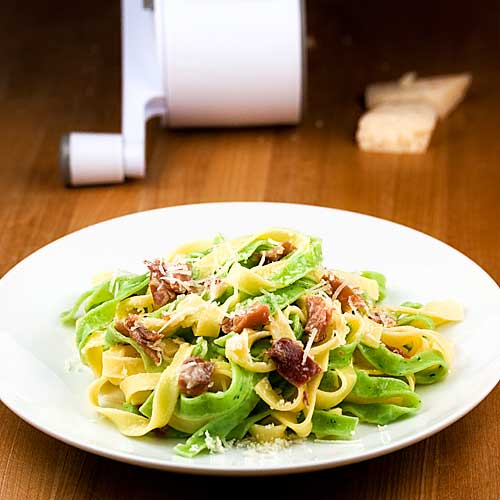
Paglia e Fieno with Prosciutto and Cream
Every once in a while I pick up my copy of Essentials of Classic Italian Cooking by Marcella Hazan, and flip through it looking for inspiration. Most times that inspiration comes in something that is so simple, that I kick myself for not thinking of it on my own. Prosciutto, cream and Parmagiano-Reggiano makes an…
-
Fettucine Alfredo
This is not the healthiest dish in the world, but like I always say, everything in moderation. Treating yourself to this classic pasta dish once in a while won’t kill you. The short cooking time for the pasta is because we are using fresh homemade fetuccine, if you are using dried pasta cook until al…
-
Marinara Sauce
Marinara derives from the Italian word for sailor, marinaro. Due to these origins I have seen many people say that marinara sauce must contain something from the sea, usually anchovies. Actually, this is not the case, the origins of marinara sauce are that it is the sauce that they made in Naples for the sailors…
-
Pumpkin Gnocchi with Parmigiano, Sage, and White Truffles
From The Da Fiore Cookbook: Recipes from Venice’s Best Restaurant by Damiano Martin (Harper Collins, 2003)When Mara and Maurizio return from Alba with the first white truffles of autumn, it means that these pillowy, bite-size bundles of pumpkin gnocchi will be on da Fiore’s menu. Slicked with sage butter and topped with just a few truffle slivers,…
-
Late-Night Pasta Sauce with Pine Nuts and Raisins
From Marcella Says…: Italian Cooking Wisdom from the Legendary Teacher’s Master Classes, with 120 of Her Irresistible New Recipes by Marcella Hazan (Harper Collins, 2004) At the hour that some of my neighbors in Florida are already halfway into their night’s sleep, many Italians are beginning to feel a gnawing emptiness that needs to be filled with…
-
Penne With Eggplant, Tomatoes, Black Olives, and Basil
From A16: Food + Wine (Ten Speed Press, 2008) Eggplant vies with zucchini for the distinction of Campania’s most common summer vegetable, and its meaty texture is a natural for pasta. Toothsome penne tossed with chunky bits of eggplant, olives, and tomatoes is so hearty that I almost forget that this dish is vegetarian. Serves 4 as…
-
Lamb and Ricotta Crespelle with Tomato and Pecorino
From A16: Food + Wine (Ten Speed Press, 2008) Lamb is the most commonly prepared meat in southern Italy, for good reason. Sheep are nimble animals and require less food and pastureland than cows, which are important traits in the rocky, dry terrain of Campania and surrounding regions. The lambs we get from Don Watson of…
-
Spaghetti with Meatballs
We have received many requests for this recipe, which in many peoples’ minds is synonymous with Italian food. In actuality, this is more of an Italian-American dish, since in Italy they do not serve their meatballs on top of pasta. This recipe comes from Chef Paolo’s wife, Frances, who in my humble opinion makes the…
-
Pasta with Zucchini and Mozzarella
When preparing for large parties, baked pastas are a very popular menu choice, especially if time is an issue. The advantage of preparing a dish ahead of time and then popping it in the oven just before your guests arrive, so that you can spend more time enjoying their company than working, is very appealing….
-
Pasta Piselli
Pasta with Peas, very basic, very quick to prepare and very good. I do not know of an Italian that does not enjoy this dish. Serves 4 1 package of frozen fresh peas 1/4 cup olive oil 1/2 large onion chopped. 1/4 cup of marinara sauce 1 pound of datali pasta or small shells Bring…
-
-
Baked Ziti
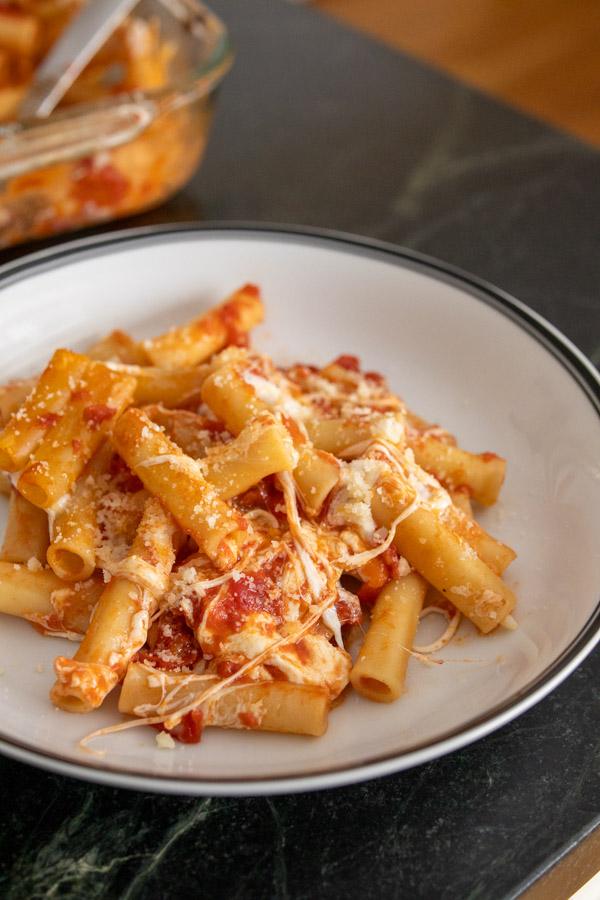
Baked Ziti is a classic Italian-American comfort food with layers of tender pasta, rich marinara, and melted cheese that comes out of the oven bubbling and irresistible. It’s perfect for feeding a crowd or making ahead for a busy weeknight. Updated on January 26, 2026 I still remember, years ago, my wife and I had…
-
Short Rib Ragu
A ragu is a slow cooked meat based sauce, and there as many variations as there are regions in Italy. I have posted a couple of versions of Ragu alla Bolognese in the past, but strangely enough I have never featured a Southern Italian ragu. This is especially perplexing, considering I am Sicilian, and grew…
-
Bucatini all’Amatriciana
This typically Roman pasta dish was traditionally made with guanciale, but since that ingredient used to be very hard to find outside of Italy, and the Lazio region in particular, pancetta has became a common substitute. This is changing and guanciale can now be found at certain specialty food stores here in America. While you…
-
Pasta with Summer Squash
I feel like I have been beating the simplicity theme into the ground the past few weeks, but the fact of the matter is, this is how I cook in the summer. There are so many great seasonal ingredients that I look forward to all year, and I want to put them front and center…
-
Linguine with White Puttanesca
I love Pasta Puttanesca. The olives, capers, anchovies & garlic. But sometimes I want those bold flavors without the tomato, and faster. This is that dish. The idea is simple: take Linguine Aglio e Olio and add anchovies, olives and capers. No tomato sauce, just olive oil and garlic. It comes together even quicker than…
-
My Favorite Weeknight Pasta Dish
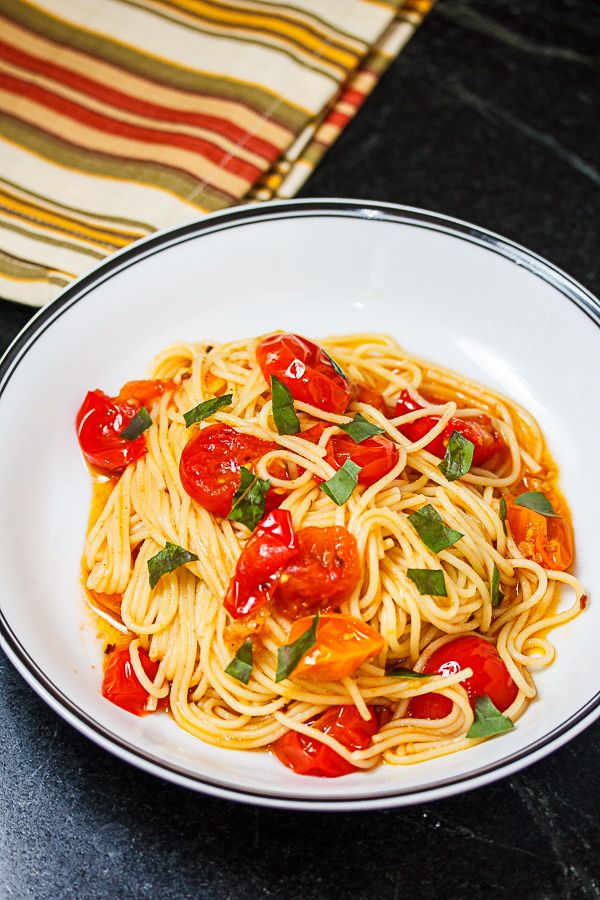
For me, a good weeknight dinner must possess two essential qualities: My favorite weeknight pasta dish, Pasta with Grape Tomatoes, satisfies both of those requirements perfectly. I have been making this dish so regularly lately that every time I am in the supermarket I pick up a pint of grape tomatoes knowing that I will…
-
Sunday Dinner: Green and White Pappardelle Bolognese
A few weeks back I was at Borgatti’s pasta shop, down in the Arthur Avenue area in the Bronx. While I was waiting for my ravioli I saw the guy at the counter cutting up some sheets of green(spinach) and white pasta into pappardelle. It looked so good I thought of getting some for myself,…
-
Lasagna | Pasta | Recipes | Sausage | Sunday Dinner
Sausage Lasagna
The magic of sausage! It can take an ordinary lasagna and turn it into something special. Yet, even before the sausage, this is no ordinary lasagna. Fresh homemade pasta for the noodles, the Ricotta-Béchamel sauce from Chef Silvia’s Hand Rolled Lasagna and fresh mozzarella already take this to another level. Add the sausage and it’s…
-
Pasta | Recipes | Sausage | Weeknight Italian
Penne with Sausage and Cream(Penne alla Norcina)
Pasta with Sausage and Cream is a hearty, substantial dish that is quick and easy enough to make on a weekday night. If I had to pick a region that this sauce is typical of I would say Emilia-Romagna, specifically Bologna. I don’t know if they would serve it on penne there, but I think…
-
Tagliatelle with Tomato Sauce and Ricotta
My wife made a trip to Arthur Avenue this weekend and picked up, among other things, some fresh ricotta cheese from Calandra Cheese Market and tagliatelle from Borgatti’s Pasta. While trying to figure out what sauce we should serve with the tagliatelle, she suggested that I make a Tomato Sauce with fresh ricotta on top…
-
Spaghetti alla Carbonara
Spaghetti alla Carbonara is a classic Roman pasta dish, that has become a standard on menus in Italian restaurants around the world. As with any dish that becomes this ubiquitous, many variations tend to crop up, with people adding different ingredients along the way. One addition that pops up frequently is cream. While I…
-
Homemade Tortellini
Last week I posted a recipe for Tortellini Pasticcio. What I did not mention in that post is that the tortellini I used were homemade. I had still been tweaking the recipe for the filling and wanted to wait until I settled on a final combination of meats before I shared it. The filling that…
-
Tortellini Pasticcio
Tortellini alla Panna is a classic Northern Italian preparation of meat filled Tortellini tossed in a cream sauce. My father used to serve a Tortellini Pasticcio that consisted of Tortellini alla Panna layered with Bolognese Sauce and then baked in the oven. I have been wanting to make this at home for a quite a…
-
Featured | Lasagna | Pasta | Recipes | Sunday Dinner
Lasagna Bolognese
There are several things that differentiate Lasagna Bolognese from the Southern Italian style Lasagna that is more familiar to Americans. The most noticeable differences are the use of Béchamel Sauce instead of ricotta cheese, and the absence of mozzarella–only Parmagianno-Reggiano cheese is sprinkled on each layer–which results in a more delicate lasagna. Lasagna Bolognese should be made…
-
Pasta with Sausage and Tomatoes
I wanted to make a pasta dish Sunday for dinner and since I had just recently made and frozen a large batch of Italian sausage, Sandy suggested I defrost a few and make pasta with sausage. Great idea! I used sweet sausage for this but if you want to go spicier you can use hot…
-
Hand-Rolled Lasagna
About a year or so after my father sold his restaurant and retired, I decided to get back in the restaurant business part-time, mostly to earn some extra money. I got a job waiting tables at a restaurant called Biscotti in Ridgefield, CT where the chef, Silvia Bianco was doing some amazing things in the…















Pasta FAQ
Aglio e Olio or Pasta with Grape Tomatoes, both are ready in 20 minutes, require minimal ingredients, and teach the fundamentals of Italian pasta cooking: salted pasta water, finishing the pasta in the sauce, and using pasta water to build a silky consistency. From there, Penne Arrabiata or Pasta Puttanesca are natural next steps.
Both are classic Roman pasta dishes built on guanciale (cured pork jowl) and Pecorino Romano. Carbonara gets its sauce from eggs and cheese, there is no tomato. Amatriciana is tomato-based, with the guanciale and Pecorino layered into a bright, slightly spicy red sauce. Gricia is essentially Amatriciana without the tomato, which predates it historically.
Wide, flat pasta such as tagliatelle, pappardelle, or rigatoni that grip thick sauces better than thin pasta. Bolognese is traditionally served on tagliatelle in Emilia-Romagna. For Sunday ragus and short rib sauces, rigatoni or mezze rigatoni are excellent choices because the ridges and hollow tubes catch the sauce.
Yes, in most recipes. Fresh egg pasta (tagliatelle, pappardelle, tortellini) is more delicate and traditional for certain dishes, particularly Bolognese and cream sauces from Northern Italy. Dried pasta, made from semolina and water, is sturdier and works best with tomato-based sauces, oil-based sauces, and chunky preparations like Puttanesca or Arrabiata. When a recipe specifically calls for fresh, it’s worth making, especially for Lasagna Bolognese and Tortellini, but most weeknight pasta dishes are designed for dried.
Salt the water aggressively, it should taste like mild seawater. Under-salted pasta water is the most common reason Italian pasta made at home doesn’t taste like Italian pasta made in Italy. Beyond that: don’t rinse the pasta after draining, and finish the pasta in the sauce for the last 60–90 seconds so it absorbs flavor and the sauce clings properly.